

- First official cooling break: 2014 World Cup (Netherlands vs Mexico) – forced by a Brazilian labor court.
- Performance impact: Just 2% fluid loss reduces speed, stamina, and decision-making by up to 30%.
- 2026 rule change: Mandatory 3‑minute hydration breaks in EVERY match at 22′ & 67′ – regardless of weather.
- Why it matters: Players lose 1.5–3 liters of sweat per match. Proper hydration prevents injury, heatstroke, and match‑losing fatigue.
📖 Table of Contents
- Introduction: The Hidden Key to Winning
- The Science of Sweat: Why Players Lose Liters
- What Happens to a Footballer’s Body in 90 Minutes Without Water?
- The 2014 Brazil World Cup: The First Break
- How Dehydration Affects Speed, Stamina, Decision‑Making & Injury
- When Dehydration Almost Killed Players
- 2026 World Cup: Mandatory Breaks for All
- Can Dehydration Cost a Team the World Cup?
- Controversy & Match Impact
- Conclusion: Heat, Sweat & Goals
Introduction: The Hidden Key to Winning Football Matches
In the high‑stakes world of professional soccer, victories are often decided by margins so fine they escape the casual viewer. A split‑second decision. A burst of pace in the 85th minute. A clear head when chaos reigns.
But for decades, one of the most critical performance factors was completely ignored: hydration. Players were expected to perform at their peak while losing liters of fluid through sweat, with no official opportunity to replenish.
That all changed on a sweltering day in Fortaleza, Brazil, in 2014. But the journey from that first cooling break to the mandatory hydration timeouts of the 2026 World Cup is a story of science, survival, and a sport finally catching up with physiology.
The Science of Sweat: Why FIFA Players Lose Liters of Fluid During a Match
Elite soccer players cover 10–13 kilometers per match, with sprint efforts reaching speeds of 30+ km/h. This effort generates massive internal heat. To prevent overheating, the body sweats — and it sweats a lot.
💧 The numbers are staggering: A professional footballer can lose 1.5 to 3 liters of fluid in a single match, depending on temperature, humidity, and individual sweat rates. In extreme conditions (like the 2014 Brazil World Cup), losses exceeded 4 liters — nearly 6% of total body weight.
This isn’t just water loss. Sweat contains critical electrolytes — sodium, potassium, and magnesium — that are essential for muscle contraction and nerve signaling. When these are depleted, the body simply cannot perform.
What Happens to a Footballer’s Body During 90 Minutes Without Proper Hydration?
Imagine running a marathon while being slowly suffocated. That’s the reality for a dehydrated player. Here’s the physiological timeline:
- First 15 minutes: Core temperature rises. The body redirects blood flow to the skin to cool down, reducing oxygen delivery to muscles.
- 30–45 minutes: Fluid loss exceeds 1% of body weight. Reaction times slow. Passing accuracy drops.
- 60 minutes onward: At 2% fluid loss (the equivalent of 1.5 liters for a 75kg player), endurance plummets by up to 20%. Cognitive function — decision‑making, spatial awareness — begins to fail.
- 75–90 minutes: Risk of muscle cramps, heat exhaustion, and severe fatigue skyrockets. Players become injury‑prone and tactically unreliable.
The 2014 Brazil World Cup: The First Official Cooling Break
On June 29, 2014, the world watched as history unfolded. Portuguese referee Pedro Proença stopped play at the 30‑minute mark of the Netherlands vs Mexico Round of 16 match. The temperature was 39°C (102°F) with 68% humidity — a dangerous combination.
Players from both teams rushed to the sidelines, grabbing water bottles and dousing themselves with wet towels. For the first time in World Cup history, the game officially paused for hydration.
But this wasn’t FIFA’s idea. A Brazilian labor court forced the governing body’s hand after players sued over 1 PM kick‑offs in the country’s roasting northeast. The court ruled that playing in such conditions could “endanger the players’ health”, imposing a fine of $90,000 per match for non‑compliance.
Even Lionel Messi complained after Argentina’s match against Iran: “It was too hot to play football. The conditions were very difficult.”
How Dehydration Affects Football Players: Speed, Stamina, Decision‑Making & Injury Risk
Let’s break down exactly what dehydration costs a player — and a team:
| Performance Area | Effect of 2% Fluid Loss | Match Impact |
|---|---|---|
| Speed | Sprint times increase by 0.5–1 second over 40m | Losing races to every defender |
| Stamina | Endurance drops by 20–30% | Invisible after the 70th minute |
| Decision‑Making | Reaction time slows, poor passing choices | Costly turnovers, missed opportunities |
| Injury Risk | Muscle cramps, strains, and heat‑related collapses | Substitutions forced, squad depth tested |
Sports scientists now agree: hydration is as critical as tactical preparation. A dehydrated team is a slow team, a slow team is a losing team.
When Dehydration Almost Killed Players – The After‑Effects
The push for hydration breaks wasn’t academic. It was born from terrifying near‑misses and tragic reminders:
- 1994 World Cup (Ireland vs Mexico, 43°C): FIFA banned players from drinking bottled water on the pitch. Over 100 fans collapsed in the stands, and Irish player Tommy Coyne collapsed in the dressing room after the match. Teammate Jason McAteer: “We honestly nearly killed him.”
- 2006 World Cup (England vs Ecuador): David Beckham vomited twice on the pitch due to severe dehydration. He was substituted in the 87th minute and diagnosed with severe fluid loss, despite scoring the winning goal.
- Samuel Kalu (Nigeria): Collapsed multiple times — in the 2019 Africa Cup of Nations and in a 2021 Ligue 1 match — due to extreme dehydration.
- James Rodríguez (Colombia, 2026): Hospitalized for 72 hours after a friendly match, diagnosed with severe dehydration despite playing in moderate heat.
These incidents proved that dehydration doesn’t just affect performance — it can be life‑threatening.
2026 World Cup: Mandatory Hydration Breaks for ALL Matches
On December 5, 2025, FIFA dropped a bombshell: every match at the 2026 World Cup will feature mandatory 3‑minute hydration breaks at the 22nd and 67th minutes — regardless of temperature, venue, or weather.
This is the first structural change to the game’s timing since 1897. The traditional 45‑minute halves effectively become four quarters of ~22 minutes each.
Why the universal rule? FIFA cited two key reasons: player welfare and competitive balance. No team should gain an advantage simply because they’re used to playing in heat, and no player should suffer because of extreme conditions.
Can Dehydration Cost a Team the FIFA World Cup? Sports Scientists Explain
According to sports scientists, the answer is a resounding yes. Dr. Floris Wardenaar (Arizona State University) notes that players only drink during one‑third of natural stoppages. Without mandatory breaks, many simply don’t hydrate enough.
Consider this: a team that is 2% dehydrated in the second half is effectively playing with 10 men. Passing accuracy drops, defensive organization crumbles, and attacking sharpness vanishes. In knockout football, where one goal decides everything, dehydration can be the difference between lifting the trophy and going home.
The 2026 rule removes that variable — ensuring that matches are decided by skill, not by who handled the heat better.
Controversy & Match Impact
Not everyone is thrilled. Critics argue the breaks are a commercial Trojan horse, giving broadcasters a fresh window for ads. Dutch defender Virgil van Dijk called them “unpleasant for the viewers” and an “interruption to the natural flow”.
FIFA’s Arsène Wenger has acknowledged the criticism, noting that the breaks “may not continue after the World Cup” and that the governing body will “review their impact”. However, early data suggests they do not affect the flow of play or match results — while dramatically improving player safety.
Conclusion: Heat, Sweat and Goals – Why Hydration Is the Hidden Key to Winning Football Matches
From the sweltering fields of Brazil to the air‑conditioned stadiums of the future, soccer’s relationship with hydration has undergone a revolution. The 1994 World Cup saw players banned from drinking water. The 2006 World Cup saw Beckham vomiting on the pitch. The 2014 World Cup saw the first official break. And the 2026 World Cup will see hydration breaks in every single match — a recognition that player welfare is non‑negotiable.
The science is undeniable: hydration fuels speed, sharpens decision‑making, extends stamina, and prevents injury. In a sport where margins are razor‑thin, staying hydrated isn’t just about health — it’s about winning.
As Bordeaux coach Vladimir Petkovic said after Samuel Kalu collapsed: “Football takes a back seat.” It took decades, but the beautiful game finally learned that you can’t play football without water.
🏆 Motivational Captions for Sportsmen
Champions don’t just train harder—they recover smarter. Hydration is the difference between finishing strong and finishing on the ground.
Your body is your engine. Water is your fuel. Don’t run on empty.
The greatest ability is availability. Stay hydrated, stay on the pitch.
Every drop of sweat deserves a drop of water in return. Respect your body, and it will respect your game.
You can’t pour from an empty cup—and you can’t perform from an empty tank. Drink up, show up, and rise up.
Heat doesn’t discriminate. Neither should your hydration strategy.
Legends are made in the heat of battle—but they’re sustained by the water they drink.
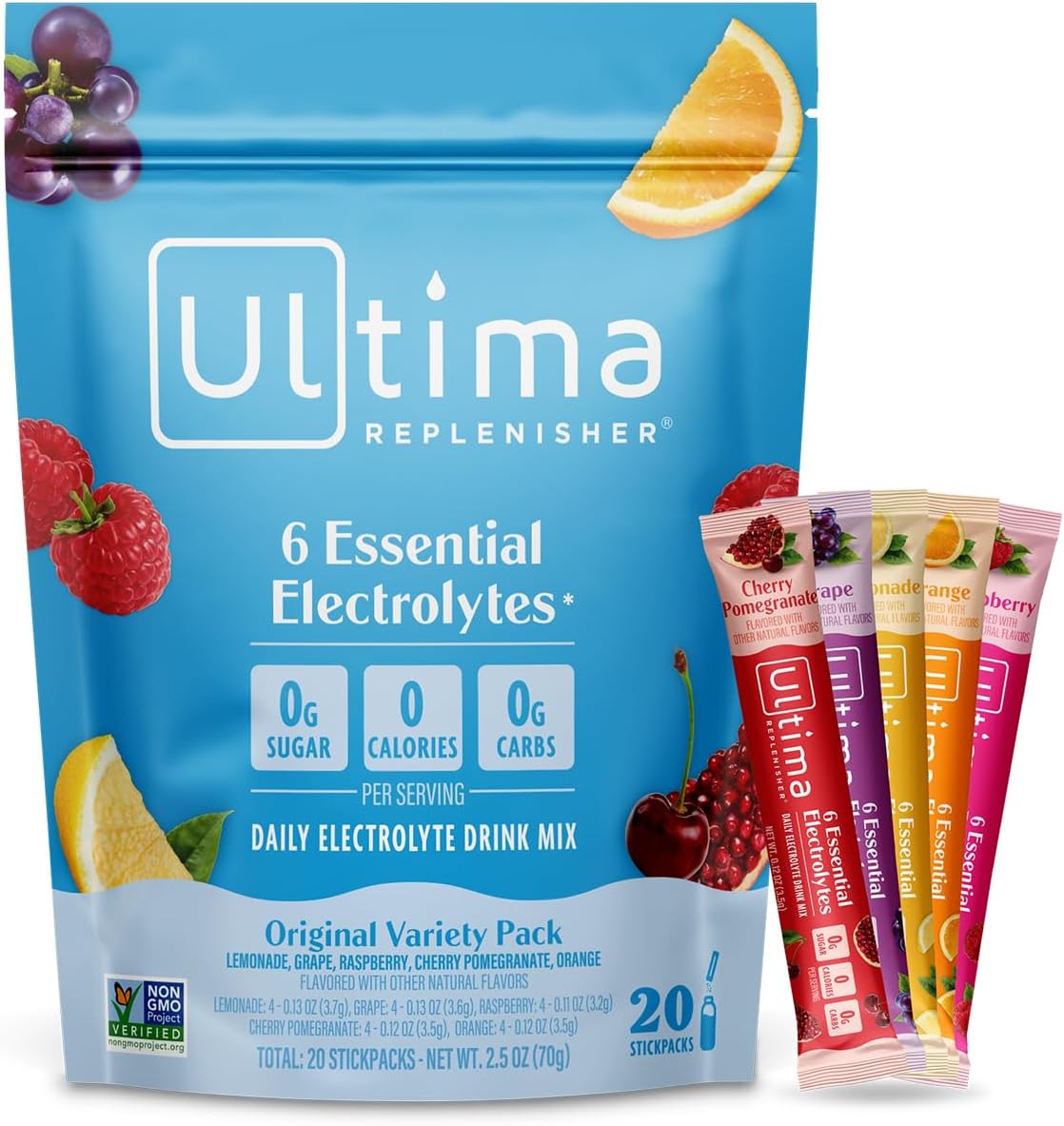
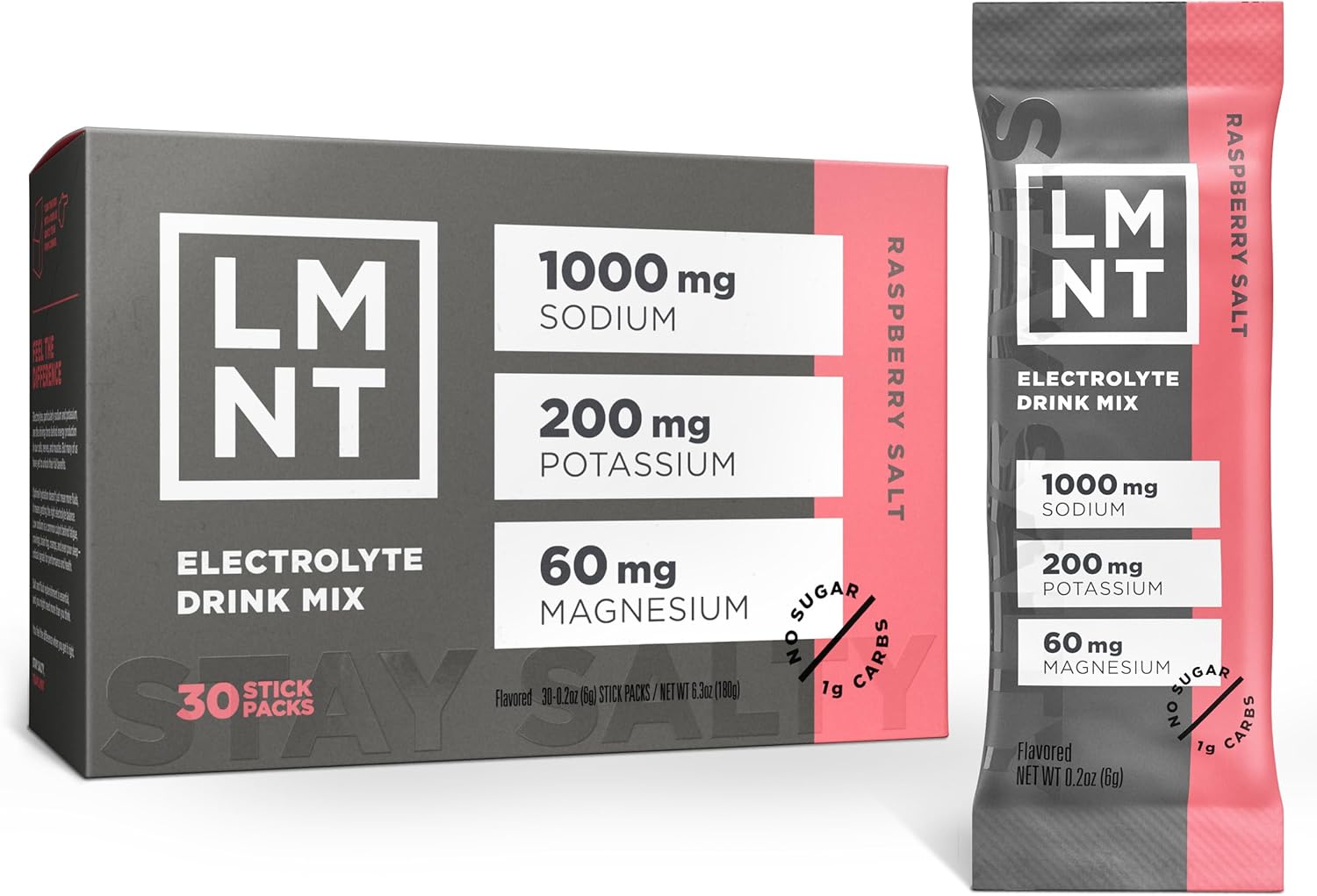
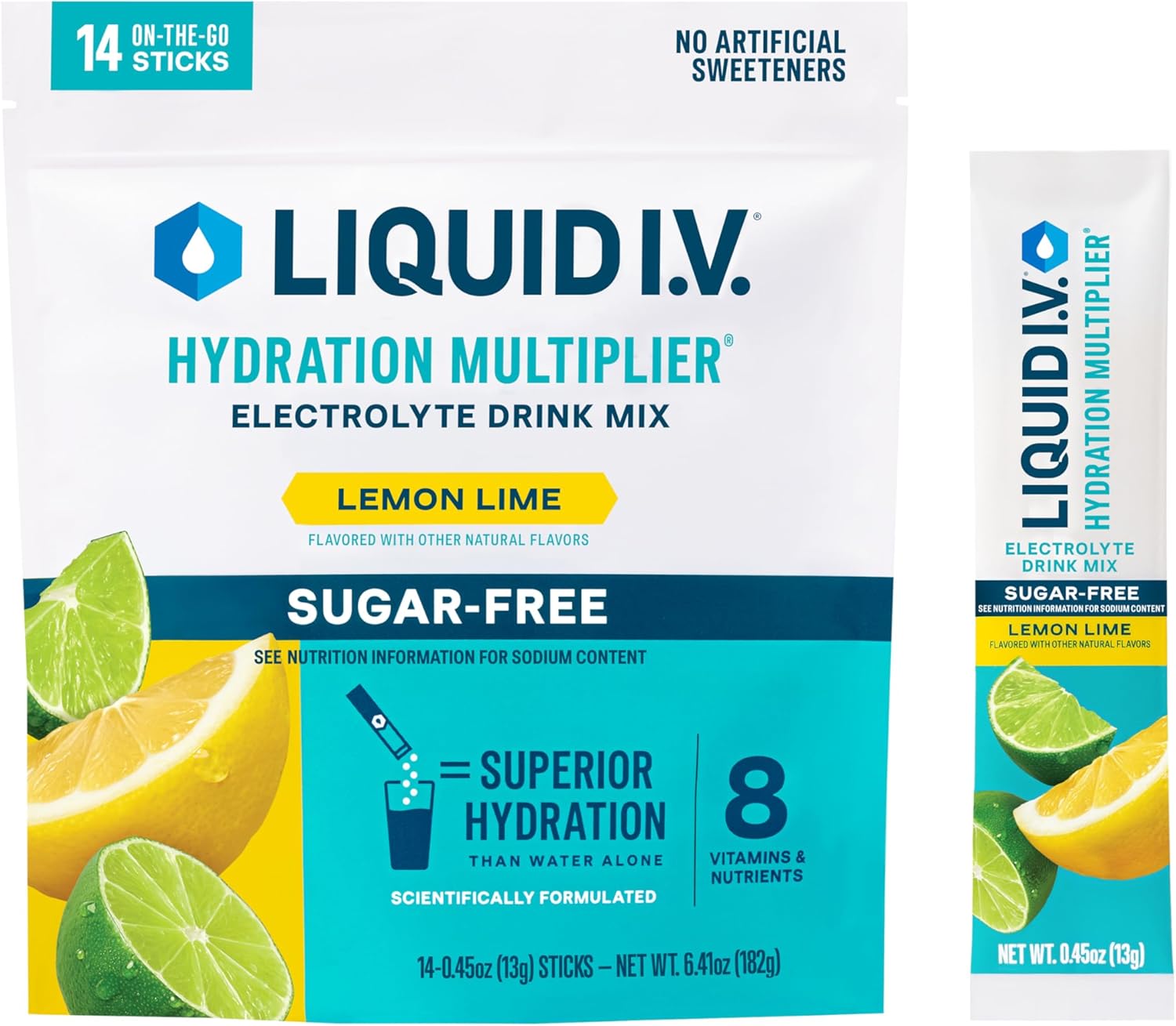
💪 Fuel Your Performance – Top Hydration Picks on Amazon
Stay ahead of the game with these essential hydration and recovery products trusted by athletes worldwide.

*As an Amazon Associate we earn from qualifying purchases.
Disclosure: This article contains affiliate links to products on Amazon. As an Amazon Associate, I earn from qualifying purchases at no additional cost to you. I only recommend products I believe can genuinely benefit athletes and active individuals.
Disclaimer: The information provided in this article is for educational and informational purposes only and does not constitute medical advice. Always consult with a qualified healthcare professional before starting any new supplement regimen, especially if you have pre-existing medical conditions or are taking medications. Hydration needs vary based on individual factors including body weight, activity level, climate conditions, and overall health. The historical incidents and medical information referenced are based on publicly available reports and should not be used as a substitute for professional medical guidance. The author and publisher are not responsible for any adverse effects or consequences resulting from the use of any products mentioned or any information provided in this article.