

- What is it? Swishing a carbohydrate solution (like a sports drink) in the mouth for 5–10 seconds and spitting it out, without swallowing.
- Science: Oral carbohydrate receptors activate brain reward and motor control areas, boosting central drive and delaying fatigue.
- FIFA Compliance: Completely legal. Approved by FIFA, IOC, and WADA.
- Effect: Small but significant performance boost (Hedges’ g = 0.18), especially during 30–70 minutes of high-intensity exercise.
- How-to: 6–8% carbohydrate solution, swish for 5–10 seconds, every 10–20 minutes.
📖 Table of Contents
- What is Carbohydrate Mouth Rinse?
- The Science: How Your Brain Gets “Fooled”
- Is it FIFA-Legal? Rules & Compliance
- Does it Really Work? Effects on Stamina, Speed & Decision-Making
- How to Do It Right: Method & Precautions
- Frequently Asked Questions (FAQ)
- Conclusion: The Brain-Mouth Connection on the Pitch
“Not all energy needs to be swallowed – sometimes, the brain just needs a signal.”
— The core philosophy of the carbohydrate mouth rinse
What is Carbohydrate Mouth Rinse?
If you’ve ever watched a World Cup broadcast, you’ve likely seen it: a player picks up a bottle from the sideline, takes a sip, swishes it around in their mouth for a few seconds, and then — spits it out.
This isn’t waste or a strange ritual. It’s a well-researched ergogenic aid in sports science, known as the Carbohydrate Mouth Rinse (CHO-MR).
Simply put, carbohydrate mouth rinse involves an athlete holding a carbohydrate-containing solution (like a sports drink, glucose solution, or maltodextrin solution) in their mouth, swishing it for 5 to 10 seconds, and then spitting it out without swallowing.
This method provides zero actual calories or nutrition because the solution isn’t ingested. Its mechanism is entirely neurological—stimulating receptors in the mouth to send signals to the brain that enhance performance and delay the perception of fatigue.
💡 Key Distinction: Carbohydrate mouth rinse ≠ drinking a sports drink. The latter provides actual energy (calories), while the former only provides a signal—a neural trigger that tells the brain energy is on the way.
“Swish for 5 seconds, reboot your brain – that’s the game’s ‘shortcut’.”
— The professional athlete’s secret weapon
The Science: How Your Brain Gets “Fooled”
🧠 The “Brain-Mouth Connection” – The Mouth as the Brain’s Outpost
Scientists have discovered that the human oral cavity contains not only sweet taste receptors but also independent carbohydrate receptors. These receptors can detect carbohydrates (even non-sweet maltodextrin is recognized) and send signals to brain regions such as the insula, striatum, and prefrontal cortex.
When these areas are activated, the brain releases dopamine and other neurotransmitters, creating a feeling of “reward.” This signal triggers:
- Reduced Rate of Perceived Exertion (RPE) – making the athlete feel “less tired.”
- Enhanced central drive – increasing the willingness to output high power.
- Delayed central fatigue – postponing the point at which the brain “calls it quits.”
📊 What Do the Numbers Say?
A 2025 three-level meta-analysis (covering 35 studies) showed that carbohydrate mouth rinse has a small but significant ergogenic effect on exercise performance (Hedges’ g = 0.18, p < 0.01). The research also found better results under these conditions:
- Aerobic exercise (e.g., running, cycling).
- Using a maltodextrin solution.
- Rinse duration ≤ 10 seconds.
- Pre-exercise high-carbohydrate meal (non-fasted state).
Other studies indicate that carbohydrate mouth rinse can improve performance by about 2–3%, comparable to the effect of actually ingesting carbohydrates.
Is it FIFA-Legal? Rules & Compliance
The answer is: Completely legal.
FIFA’s competition regulations explicitly state that players are allowed to be provided with drinking water by medical staff or officials during dead-ball situations. The “carbohydrate mouth rinse” is considered a legal hydration and energy management strategy and does not violate any rules.
More importantly, both the International Olympic Committee (IOC) and the World Anti-Doping Agency (WADA) recognize it as compliant. It does not involve any prohibited substances; it merely leverages the body’s natural neurophysiological mechanisms.
During the 2018 World Cup, stars like Harry Kane and Cristiano Ronaldo were captured on camera using this technique. By the 2022 and 2026 World Cups, it had become standard practice among professional players.
Does it Really Work? Effects on Stamina, Speed & Decision-Making
🏃 Effects on Endurance Performance
Multiple studies confirm that carbohydrate mouth rinse significantly enhances performance during 30 to 70 minutes of high-intensity endurance exercise. In a 1-hour cycling time trial study, athletes using a carbohydrate rinse completed the race faster. Another running study found that the rinse group covered more distance than the placebo group.
⚽ Effects on Soccer-Specific Performance
Research on football players is still developing, but existing evidence suggests:
- In small-sided games, carbohydrate rinsing reduced perceived exertion and mental fatigue while improving technical performance.
- Some studies found no significant improvement in soccer-specific skills (like passing or shooting), possibly due to experimental design (e.g., fasted state).
- Overall, the ergogenic effect on intermittent high-intensity sports requires further validation.
🧠 Effects on Decision-Making & Cognition
The 2025 meta-analysis also found that carbohydrate rinsing improves cognitive function in the fed state. This means it not only helps players run longer but may also help them make sharper decisions under pressure—absolutely critical for footballers.
How to Do It Right: Method & Precautions
📋 Standard Protocol
| Step | Action |
|---|---|
| 1. Prepare Solution | Use a 6–8% carbohydrate solution (sports drink, glucose, or maltodextrin). |
| 2. Measure | Approx 25 ml (one small sip). |
| 3. Rinse | Swish for 5–10 seconds, ensuring the solution contacts all parts of the mouth. |
| 4. Spit | Spit it all out – do not swallow. |
| 5. Frequency | Repeat every 10–20 minutes. |
⚠️ Precautions & Tips
- Do not swallow: Swallowing introduces unnecessary calories and potential GI distress.
- Practice ahead of time: Don’t try it for the first time on match day to avoid choking or improper technique.
- Choose the right solution: Plain water is ineffective – it must contain carbohydrates.
- Who benefits most? Particularly useful for athletes prone to GI issues or those managing weight.
Frequently Asked Questions (FAQ)
Yes. Multiple meta-analyses confirm a small but significant effect (about 2–3% improvement), particularly during 30–70 minutes of high-intensity aerobic exercise.
Absolutely. FIFA regulations do not prohibit it, and both the IOC and WADA recognize it as fully compliant.
Because the effect comes from stimulating oral receptors to signal the brain, not from absorbed sugar. Swallowing may cause GI discomfort, side stitches, or unwanted calories.
Research shows 6–8% glucose or maltodextrin solutions are optimal. Maltodextrin works even without sweetness, as it still activates oral receptors.
Every 10–20 minutes, swishing for 5–10 seconds each time.
Definitely. It’s a safe, simple, low-cost performance strategy, ideal for running, cycling, football, basketball, and other endurance or intermittent sports.
Conclusion: The Brain-Mouth Connection on the Pitch
The carbohydrate mouth rinse is an elegant and ingenious discovery in sports science. It proves that performance limits aren’t always set by muscles, but by the brain.
When a player swishes for 5 seconds and spits it out during a World Cup match, they aren’t wasting a drink – they’re sending their brain a signal that “energy is on the way”, prompting the brain to reduce fatigue perception, enhance drive, and delay central fatigue.
From the 2018 World Cup (where Kane and Ronaldo were caught on camera) to becoming standard practice by the 2026 World Cup, the carbohydrate mouth rinse has completed its journey from “research lab” to “pitch reality.”
For amateur athletes like us, this might just be the easiest, most side-effect-free performance hack out there – no swallowing required, just 5 seconds of swishing.
“Sometimes, the winning edge isn’t the strongest muscle, but the smartest brain.”
— A lesson from the carbohydrate mouth rinse
💪 Fuel Your Performance – Top Carbohydrate Rinse & Hydration Solutions
Trusted by professional athletes – now available for you.
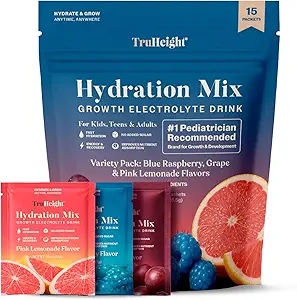
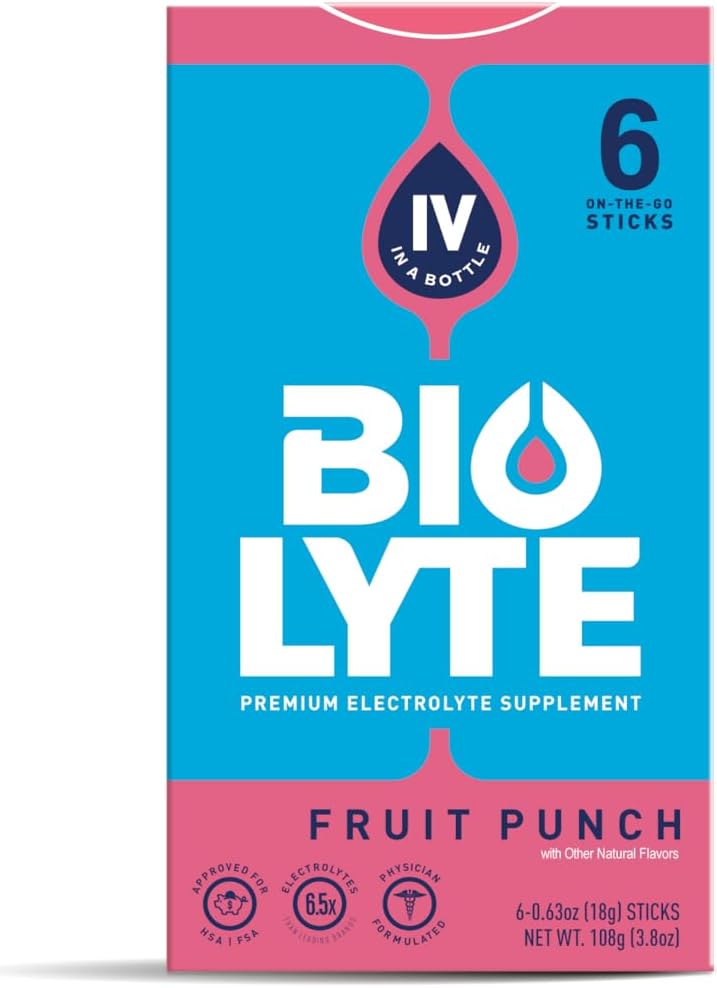
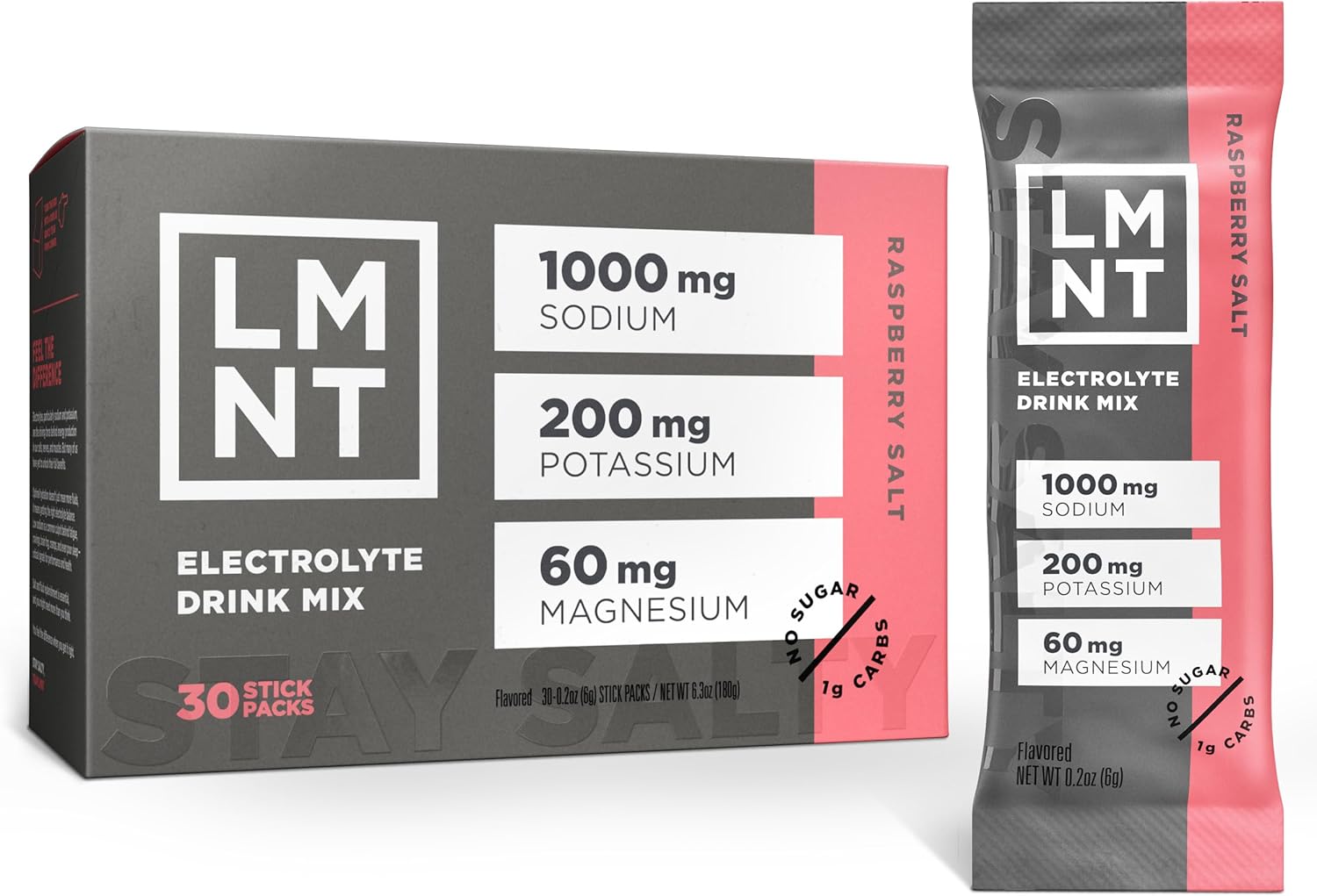
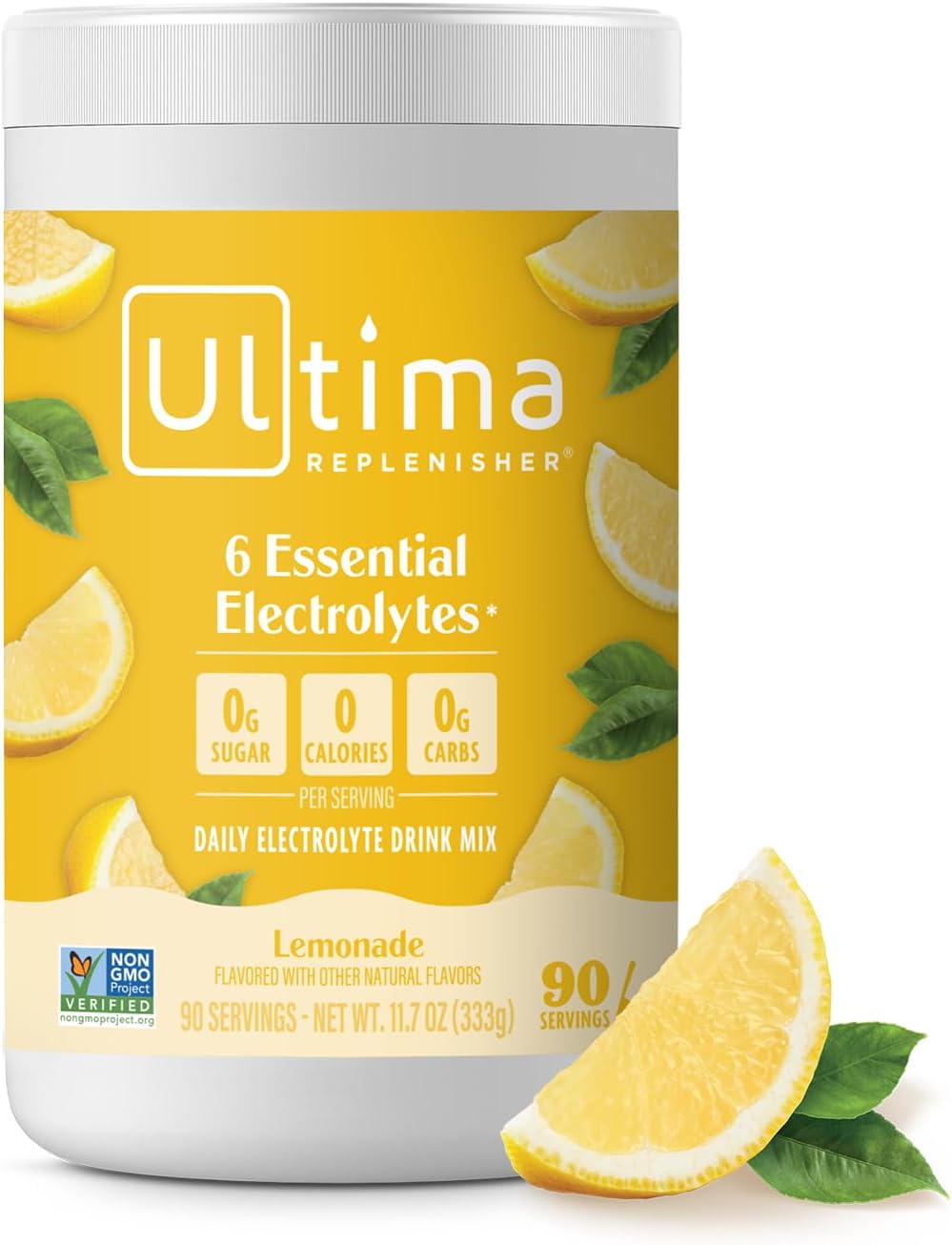
*As an Amazon Associate, we earn from qualifying purchases.
Disclosure: This article contains affiliate links to products on Amazon. As an Amazon Associate, I earn from qualifying purchases at no additional cost to you. I only recommend products I believe can genuinely benefit athletes and active individuals.
Disclaimer: The information provided in this article is for educational and informational purposes only and does not constitute medical advice. Always consult with a qualified healthcare professional before starting any new supplement regimen, especially if you have pre-existing medical conditions or are taking medications. Hydration and nutritional needs vary based on individual factors including body weight, activity level, climate conditions, and overall health. The author and publisher are not responsible for any adverse effects or consequences resulting from the use of any products mentioned or any information provided in this article.